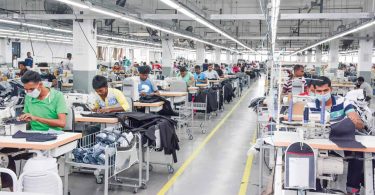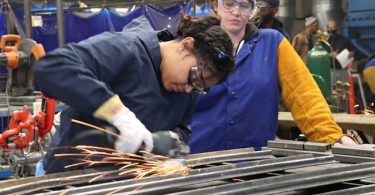


The United States continues to be one of the world’s most attractive destinations for international workers seeking stable employment, competitive salaries, and long-term career opportunities. Among the most in-demand occupations are factory worker jobs, particularly in manufacturing, food processing, packaging, logistics, automotive production, and warehouse operations. As many industries face labour shortages, some U.S. employers sponsor eligible foreign workers for permanent, full-time positions through employment-based immigration pathways such as the EB-3 immigrant visa, while others recruit temporary workers through other authorized visa programs depending on the role.
If you’re searching for USA factory jobs with visa sponsorship, EB-3 factory worker jobs, manufacturing jobs in the USA, or warehouse jobs for foreigners, this guide covers everything you need to know, including job requirements, salary expectations, visa sponsorship, benefits, and how to apply safely.
Why Factory Workers Are in High Demand in the USA
The United States has one of the world’s largest manufacturing sectors, producing automobiles, electronics, food products, pharmaceuticals, industrial equipment, consumer goods, and packaging materials.
Many employers struggle to fill permanent production and manufacturing positions, particularly in regions experiencing labour shortages. As a result, some companies recruit qualified international workers when they are unable to find enough available U.S. workers, subject to U.S. immigration and labour regulations. Employment-based immigration programs such as EB-3 require an employer sponsor and a labour certification process before a worker can pursue permanent residence. (Immigrants Rising)
What Does a Factory Worker Do?
Factory workers help ensure production lines operate efficiently and safely. Responsibilities vary by employer and industry but commonly include:
- Operating production machinery
- Assembling products
- Packaging finished goods
- Inspecting product quality
- Labelling shipments
- Loading and unloading materials
- Cleaning production areas
- Monitoring equipment
- Reporting machine faults
- Following workplace safety procedures
Most employers provide job-specific training before employees begin full production duties.
Industries Hiring Factory Workers
Factory workers are employed in many sectors, including:
- Food Processing
- Beverage Manufacturing
- Automotive Manufacturing
- Electronics Assembly
- Pharmaceutical Production
- Plastic Manufacturing
- Packaging Companies
- Furniture Manufacturing
- Metal Fabrication
- Textile Production
- Consumer Goods Manufacturing
- Warehouse Distribution
- Logistics and Fulfilment Centres
These industries operate throughout the United States and regularly recruit production employees.
Who Can Apply?
Eligibility depends on the employer, the position, and the applicable immigration pathway.
Generally, applicants should:
- Be at least 18 years old
- Hold a valid passport
- Be physically able to perform factory work
- Be willing to work shifts
- Meet employer requirements
- Pass any required medical or background checks
- Meet applicable U.S. immigration requirements
Some employers recruit candidates with little or no previous factory experience, while others prefer applicants with manufacturing backgrounds.
Educational Requirements
Many factory jobs do not require a university degree.
Employers commonly accept applicants with:
- High school education
- Secondary school certificate
- Vocational qualifications
- Technical training
- Manufacturing experience
- Warehouse experience
For many production roles, reliability, safety awareness, and work ethic are more important than advanced academic qualifications.
Skills Employers Value
Successful factory workers usually demonstrate:
- Attention to detail
- Reliability
- Teamwork
- Physical stamina
- Time management
- Ability to follow instructions
- Safety awareness
- Basic machine operation
- Quality control awareness
- Positive attitude
These qualities help employees succeed in fast-paced manufacturing environments.
Understanding the EB-3 Green Card Process
Many job seekers search for EB-3 Green Card factory jobs, but it is important to understand how the process works.
The EB-3 visa is an employment-based immigrant category that may lead to lawful permanent residence (a Green Card) for eligible workers. The process requires a permanent, full-time job offer from a sponsoring U.S. employer, and the employer generally must complete a labour certification (PERM) to demonstrate that qualified U.S. workers are not available for the position. There is no shortcut or self-petition route for most EB-3 applicants. Processing times also vary and may be lengthy depending on visa availability and country of chargeability.
Salary Expectations
Factory worker salaries vary depending on:
- Industry
- State
- Employer
- Shift schedule
- Experience
- Overtime
Many production employees earn between $3,500 and $6,500 per month, especially when overtime, night shifts, and production bonuses are available. Higher-skilled manufacturing roles may pay even more. Salary ranges differ by employer and location. (IFMOSA Work)
Employee Benefits
Many manufacturing employers provide benefits such as:
- Competitive hourly wages
- Health insurance
- Dental insurance
- Vision insurance
- Paid annual leave
- Paid sick leave
- Retirement plans
- Overtime pay
- Shift differentials
- Safety equipment
- Employee training
- Career advancement opportunities
Benefit packages differ from one employer to another and should always be confirmed before accepting an offer.
Working Hours
Factory employees commonly work:
- Day shifts
- Evening shifts
- Night shifts
- Weekend shifts
- Rotating schedules
Many employers operate 24 hours a day, allowing employees to choose from different shift patterns where available.
Documents You May Need
Applicants are commonly asked to provide:
- Valid passport
- Updated résumé or CV
- Educational certificates
- Employment references
- Passport photographs
- Police clearance if requested
- Medical examination results where applicable
- Supporting immigration documents
Having complete and accurate documents can make the recruitment process more efficient.
How to Apply
A typical application process includes:
- Prepare a professional résumé highlighting manufacturing, warehouse, or production experience.
- Search for legitimate employers recruiting factory workers.
- Submit applications through official company websites or reputable recruitment agencies.
- Attend interviews if shortlisted.
- Receive a job offer if selected.
- Complete employer and immigration documentation.
- Apply for the appropriate visa if eligible.
- Travel only after receiving the necessary approvals.
Always verify the legitimacy of employers and avoid paying anyone who promises guaranteed visas or guaranteed jobs.
Career Progression
Factory work can lead to long-term career growth.
Possible advancement opportunities include:
- Production Operator
- Machine Operator
- Team Leader
- Shift Supervisor
- Quality Control Inspector
- Warehouse Supervisor
- Production Planner
- Manufacturing Technician
- Operations Manager
Many employers promote from within and provide training for motivated employees.
Best States for Manufacturing Jobs
Manufacturing opportunities are available across the United States, particularly in states with strong industrial sectors.
Popular locations include:
- Texas
- Ohio
- Michigan
- Indiana
- Illinois
- Pennsylvania
- Wisconsin
- North Carolina
- Georgia
- Tennessee
Demand varies depending on industry and local labour market conditions.
Common Mistakes to Avoid
Many applicants reduce their chances by:
- Applying with incomplete résumés
- Providing inaccurate information
- Paying recruitment scammers
- Ignoring employer instructions
- Missing interviews
- Applying through unofficial websites
- Failing to research visa requirements
Always use official recruitment channels whenever possible.
Tips to Improve Your Chances
You can strengthen your application by:
- Preparing a professional résumé
- Highlighting manufacturing or warehouse experience
- Demonstrating reliability and teamwork
- Learning basic workplace safety practices
- Applying to multiple legitimate employers
- Keeping your documents organised
- Following application instructions carefully
Consistency and professionalism can improve your chances of being shortlisted.
Frequently Asked Questions
Can foreigners apply for factory jobs in the USA?
Yes. Some U.S. employers recruit eligible international workers for permanent or temporary positions, depending on labour needs and immigration rules.
Is a university degree required?
No. Many factory worker positions do not require a university degree.
Can factory jobs lead to permanent residence?
Some permanent factory positions may qualify for employment-based immigration, including the EB-3 category, if all legal requirements are met. A qualifying employer sponsor is required. (NNU Immigration)
Do all employers provide health insurance?
No. Benefits vary by employer, although many full-time manufacturing employers offer health insurance and other employee benefits.
Can I earn overtime?
Many manufacturing employers offer overtime and shift differentials based on production needs and applicable labour laws.
Final Thoughts
Factory worker jobs remain one of the most accessible employment opportunities for individuals seeking careers in the United States. Manufacturing companies continue to recruit reliable workers for production, packaging, assembly, logistics, and warehouse operations, and some employers may sponsor eligible foreign workers for permanent employment through the EB-3 process where legal requirements are satisfied.
Before applying, ensure you understand the visa pathway, prepare a strong résumé, and verify that the employer is legitimate. While no employer or recruiter can guarantee a visa or Green Card, careful preparation, relevant experience, and applying through authorised channels can significantly improve your chances of securing a rewarding manufacturing career in the United States.